Try a visible size difference
Two larger squares and one smaller lumbar can give an arrangement a clear hierarchy. This is an option, not a rule every sofa needs. Test it with what you own, leaving enough usable depth to sit with your feet supported.
Measure cover dimensions seam to seam and check the insert recommendation for that particular cover. An 18-inch cover and a 20-inch cover are not interchangeable specifications. Both selections below are covers sold without inserts; verify current pack contents before ordering.
Try sitting down first
Put a cushion at the end you use most and sit as you normally would. Lean back, read for a moment and notice whether it pushes you too far forward. Add another only if it makes that position more comfortable or helps the colors work together.
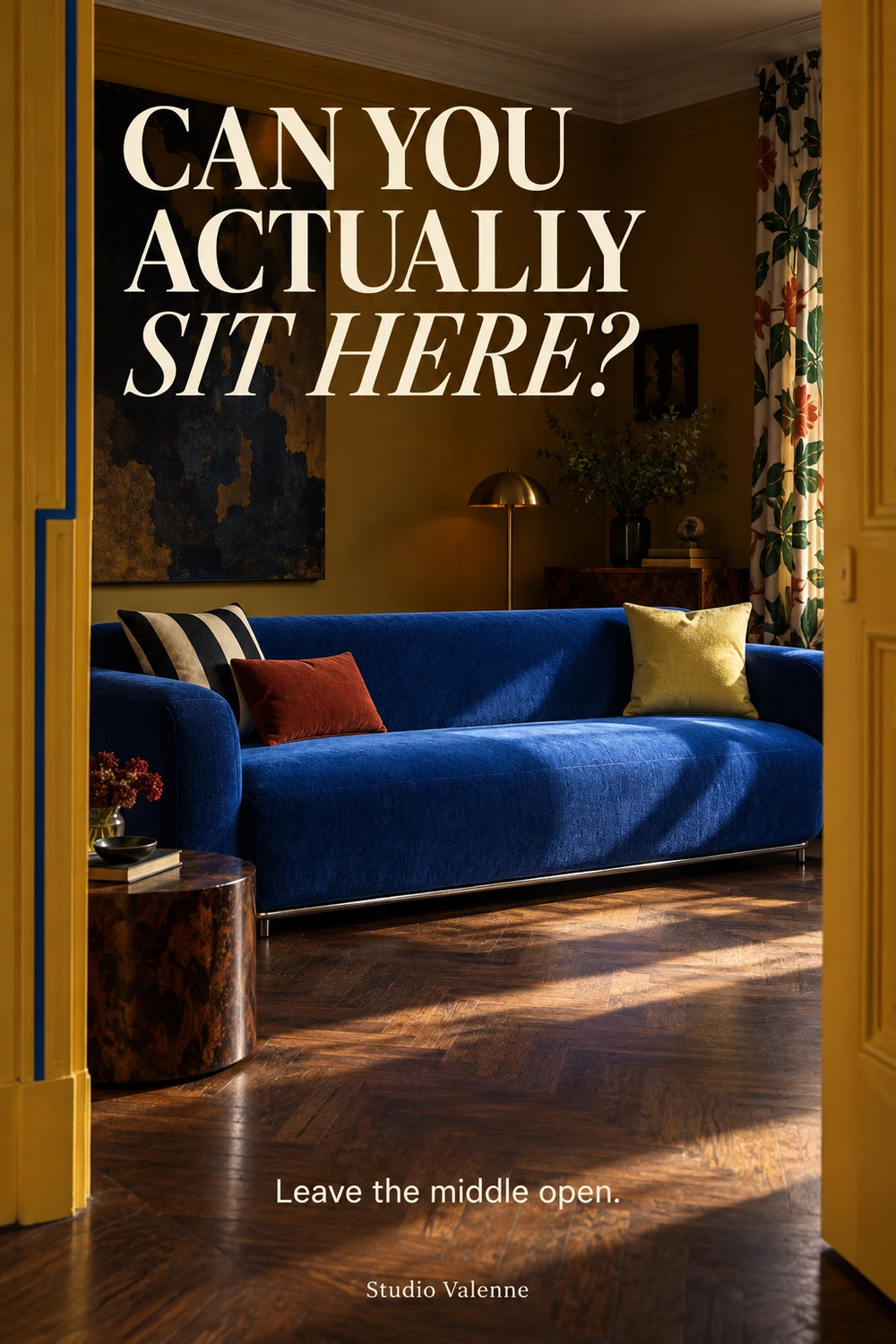
In this blue-sofa example, the cushions stay at the ends and leave the center clear. Treat it as a placement idea, not a three-cushion rule: a shallow seat, deep corner or sectional may need a different arrangement.
- Leave the middle open while testing the first combination.
- Put larger cushions behind smaller ones only where the seat has enough depth.
- Give any cushion that repeatedly ends up on the floor another place to live.
The Valenne shortlist
Start with the covers.
A warm colour, a quieter texture and an optional striped throw give you three different ways to change a sofa.
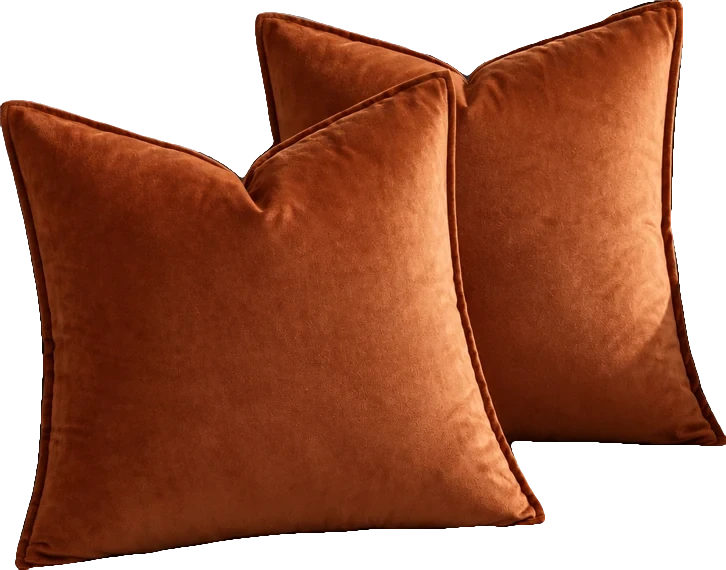
Rust; 18 x 18 inches; pack of 2 covers, inserts not included
Rust velvet brings a concentrated warm accent to grey, cream or dark upholstery.
Before you choose Covers only; check the pack contents and insert size on the selected listing.
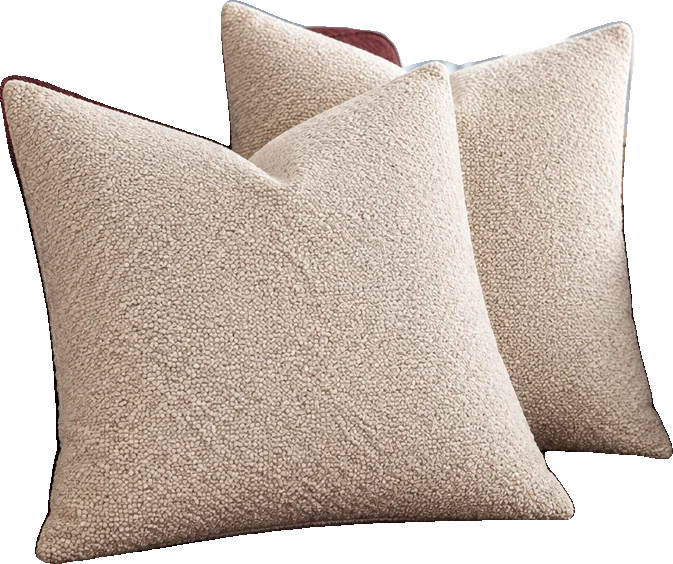
Beige / Natural Beige; 20 x 20 inches; pack of 2 covers, inserts not included
Beige bouclé adds texture while keeping the palette quiet beside a stronger print or colour.
Before you choose Covers only. Confirm the 20 × 20 in variant and the care instructions before ordering.
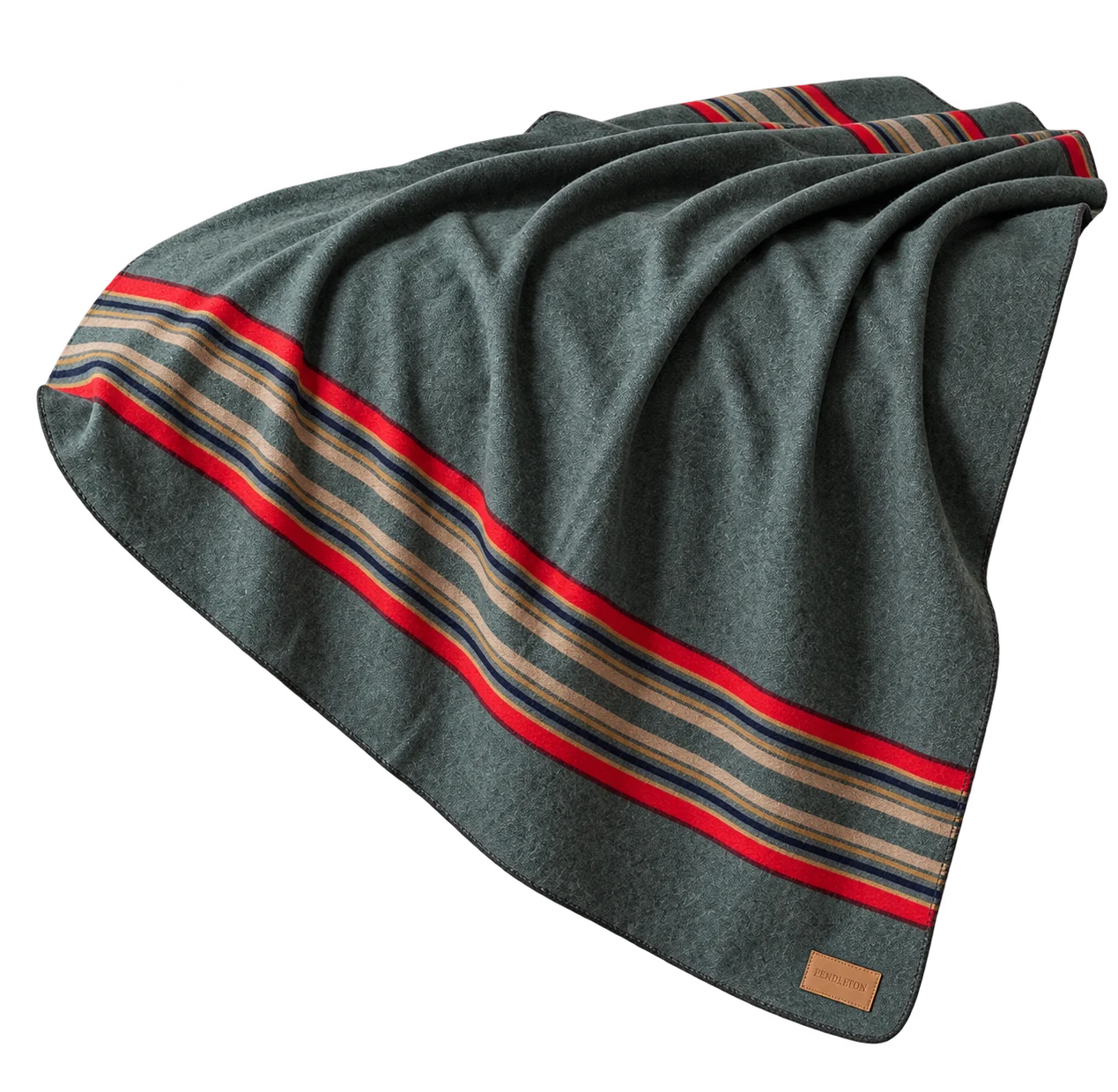
Green Heather · 54 × 66 in · 86% virgin wool, 14% cotton
A broad stripe gives plain upholstery a stronger pattern and ties green to warmer accents.
Before you choose Check the selected Green Heather colourway and the care label. Wool may feel different from a soft synthetic fleece.
Choose the palette beside the upholstery
Look at the sofa together with the rug, curtains and nearest artwork. Choose one existing color to repeat and one quieter companion. For a warm contemporary room, that might mean olive with cream, muted clay with oatmeal, or brown beside a softly patterned neutral. Put the actual fabrics next to the upholstery when you can; similar colors on separate screens are difficult to compare.
We favor one clear contrast in the first combination. Rust velvet gives a pale sofa a deeper accent, while beige bouclé adds a quieter, visibly textured companion. If your sofa is already strongly textured or patterned, begin with just one of these surfaces. Try an existing throw in a related color to connect the combination across a larger area.
Fit the pillows to the usable seat
Place an existing pillow at one end and sit as you normally would. Notice how far it brings your body forward and whether your feet rest comfortably. Try reading, leaning against the arm and sitting beside another person. A generous square may suit a deep corner; a smaller rectangular pillow may leave more usable seat on a shallow sofa.
Measure the covers and inserts you already own before replacing either. Compare the selected sizes with those real examples: an 18-inch square and a 20-inch square will occupy different amounts of the seat. Both selected styles are sold as sets of two covers, with inserts purchased separately. Follow the stated sizing guidance for each cover and insert pair; the firmness and fill also affect the finished shape.
Build from the ends and leave a place to sit
Start with a pillow at the end used most often, then add one at the opposite end if it helps the balance. A second pillow can sit in front of the first where the sofa has enough depth. Keep the center open while you decide whether another layer contributes anything. There is no fixed number every sofa needs.
On a sectional, consider each usable position rather than treating the whole sofa as one long display. A corner group should still allow someone to settle into the corner. Look for a gentle change in height across the arrangement, keeping the larger shape behind the smaller one only where both remain comfortable.
Give pattern and texture separate jobs
If a patterned pillow is the focal point, draw a plain companion color from it. When combining two patterns, compare how large and busy they look from across the room. A broad stripe and a smaller motif can remain distinct; two equally assertive patterns may need a plain pillow between them.
Texture can provide variety within a restrained palette. The selected velvet and bouclé covers are both polyester, with different surface effects. Read fiber composition separately from the styling description, and follow the care label supplied with the particular cover. We favor a combination you can maintain with the washing and storage space you have.
Place the throw where it gets picked up
Fold the blanket over an arm if that keeps it within reach without covering the seat. For a looser arrangement, fold it lengthwise first and lay it across one corner, adjusting the end so it clears the floor. Let the amount of fabric suit the sofa; a bulky bundle can compete with the pillows and occupy the place where an elbow belongs.
Finish by sitting down with the room arranged for an ordinary evening. Move any pillow that repeatedly ends up on the floor, and give spare textiles a nearby home. Keep the pieces that earn their place through comfort, color or use. A quick reset should restore the arrangement without carefully rebuilding it.