Choose the furniture footprint from the walking route
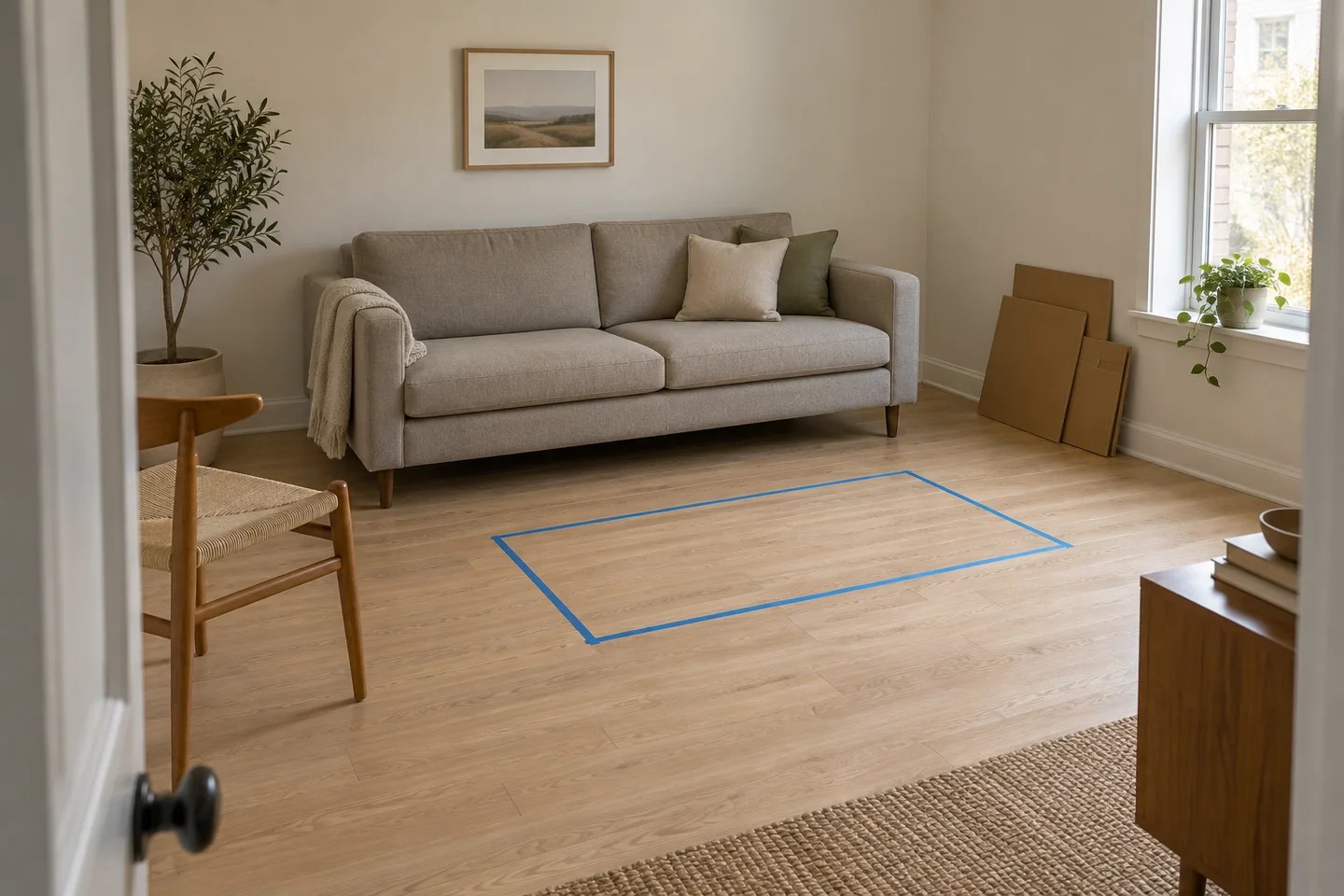
Open the front door fully and walk in carrying the bag you normally bring home. Continue toward the next room, coat storage and stairs if you have them. Mark where a console could stand without making that sequence awkward. Include door handles, baseboards and the space needed to open the console's drawers in your comparison.
Check the actual depth of a candidate, including any projecting top or hardware. A console that looks slim from the front can still take too much of a narrow passage. If the footprint does not work, try a shallower wall shelf or a smaller cabinet. The entryway can feel complete without a full-length table.
Make a landing place before adding a display
Put a small dish or tray where your hand naturally lands after closing the door. Try it with your keys, wallet or sunglasses, and keep those things easy to pick up individually. A deeper basket may suit gloves, while a low dish makes small items visible. Choose for what will actually arrive, rather than buying the whole accessory set.
We favor a small, clearly defined landing place over a tray that spreads across the whole console. Decide where mail goes next before it starts collecting here. A decorative bowl becomes an overflowing inbox if papers have no other destination. Keep a separate place for items that need action, and let the entry surface handle the transition home.
If this is also a hall table beside your living room, a few books can give the far end a second purpose. A pair of stone bookends keeps that group visually contained. Set them away from the key dish so reaching for everyday belongings does not disturb the books.
The Valenne shortlist
A landing place with some character.
Keep the useful surface clear, then add one small object or a short group of books.
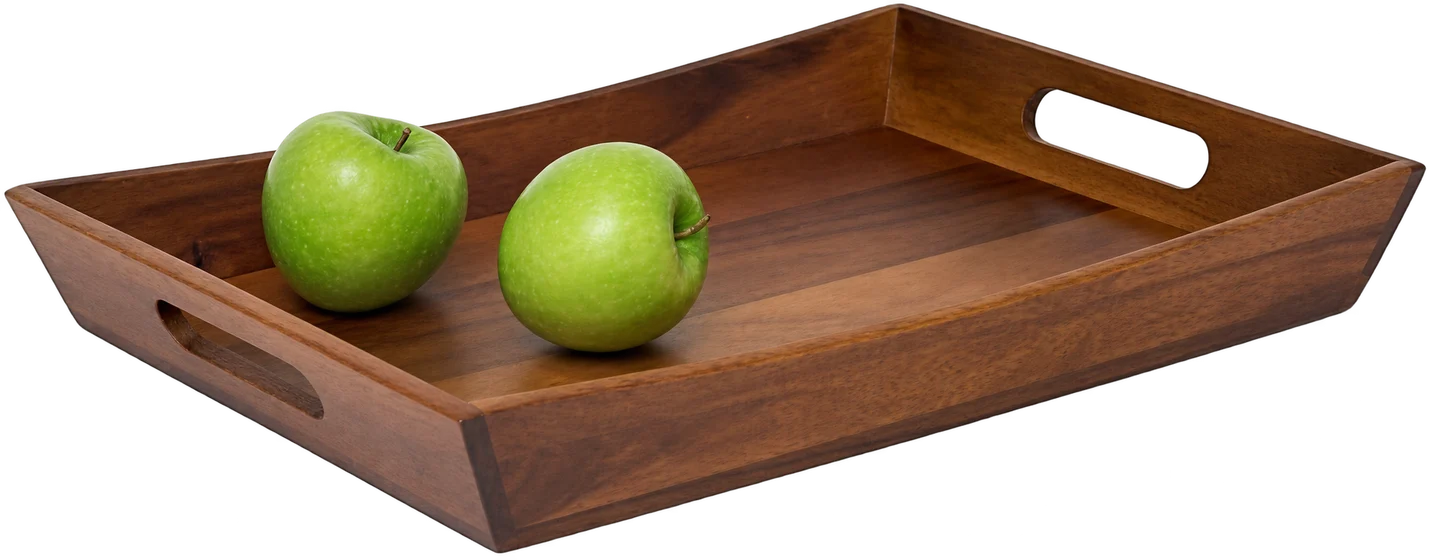
Tray; 19.88 x 14 x 2.5 inches
A handled wood tray keeps a group of small objects together and clears the table in one move.
Before you choose Measure its full 19.88 × 14 in footprint against the space you need for drinks or work.
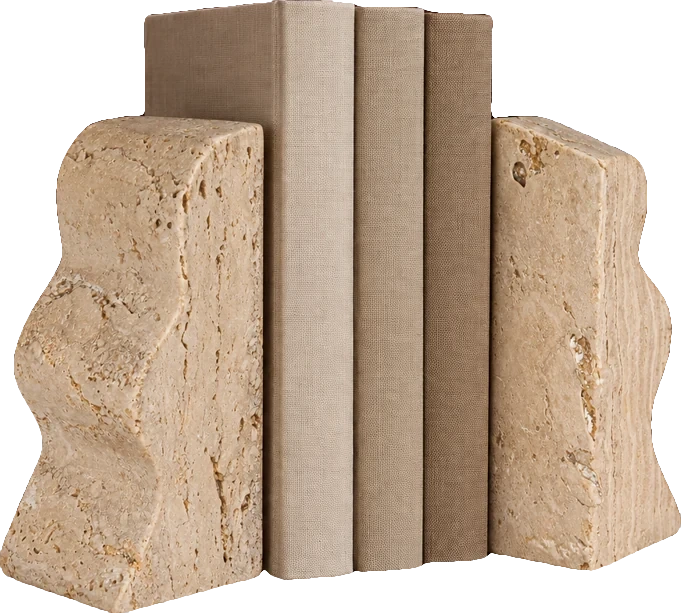
Natural travertine; pair; each 4.5 × 2 × 6 in
Travertine bookends add weight and a wavy outline to an otherwise straight run of books.
Before you choose Each is 4.5 × 2 × 6 in; check the shelf’s load capacity and use surface protection where needed.

Antique-brass finish; 2.5 in diameter × 7 in tall
A slim antique-brass-finish holder introduces a little metal beside wood or coloured glass.
Before you choose Check taper fit and use a stable, heat-safe surface away from fabric and shelves.
Let one larger element organize the wall
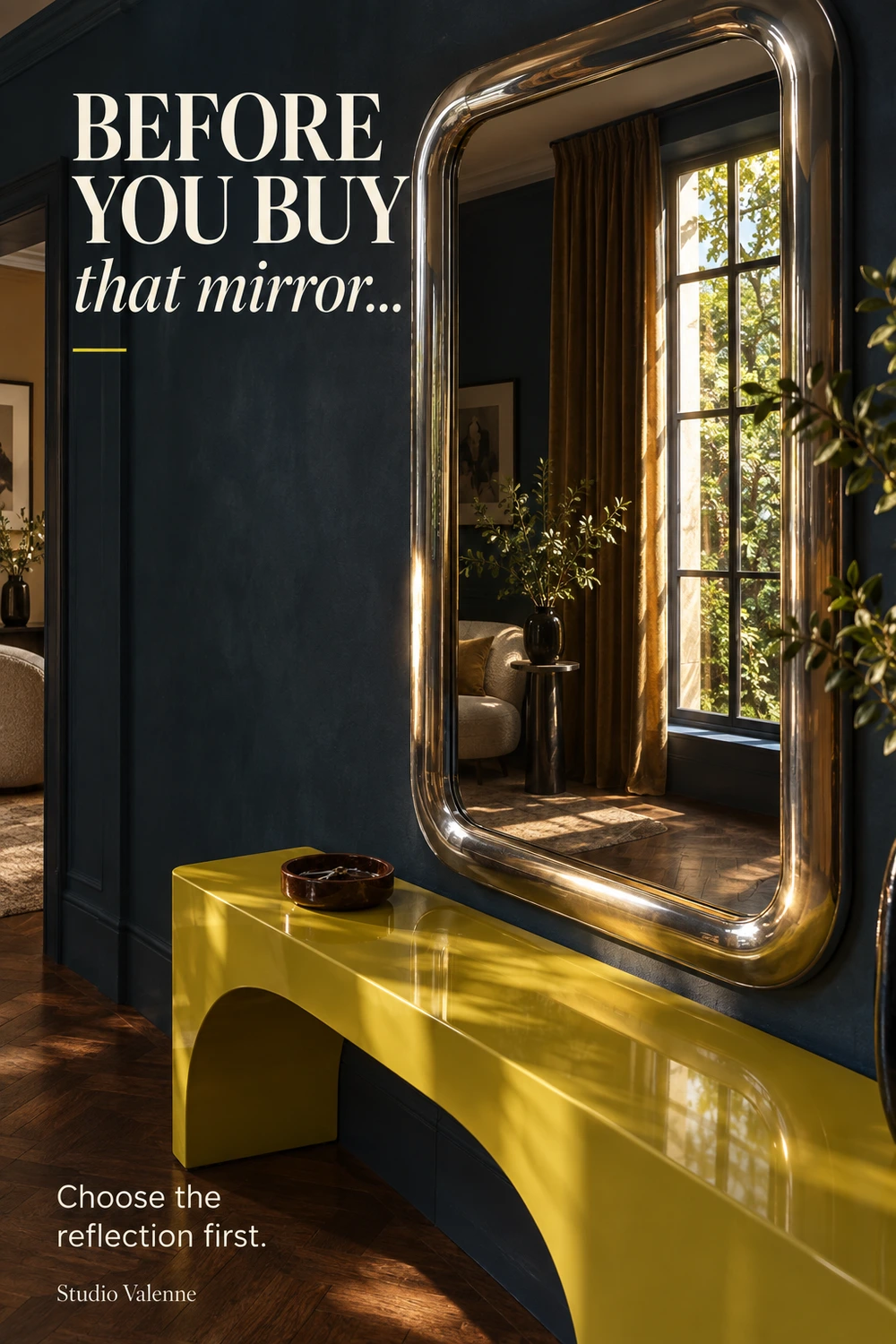
Choose a mirror if you want a final look before leaving, or artwork if the wall needs color and character. Hold up a paper outline and view it from the open door as well as directly in front of the console. Check what a mirror would reflect: a pleasant view, useful light or an area you would rather keep less prominent.
Relate the wall piece to the whole console instead of centering it over a small accessory. Then leave enough room for the tabletop objects to read clearly beneath it. Follow the particular mounting instructions for the wall and object; the visual placement and the method of supporting it are both part of the plan.
Before committing to a position, check the proposed reflection from two places: the entrance and the spot where you will use the mirror. A small shift can change which part of the opposite wall or window appears. Mark the outline, compare the views and check that the console stays useful beneath it.
Bring warmth through a few contrasting materials
Begin with the finish you already see most: the flooring, a wood console or a painted cabinet. Add one different texture nearby. A glazed ceramic bowl can sharpen the outline of a grainy wood surface; a woven basket can soften a simple metal frame. Keep the contrast visible instead of layering several similar brown objects together.
For a restrained palette, try warm white, one wood tone and a muted accent drawn from the adjoining room. A dark frame or lamp base can provide definition without turning every accessory black. Repeat something already present elsewhere in the home so the entryway feels like its first room, rather than a separate decorating theme.
Place light and height where they leave room to reach
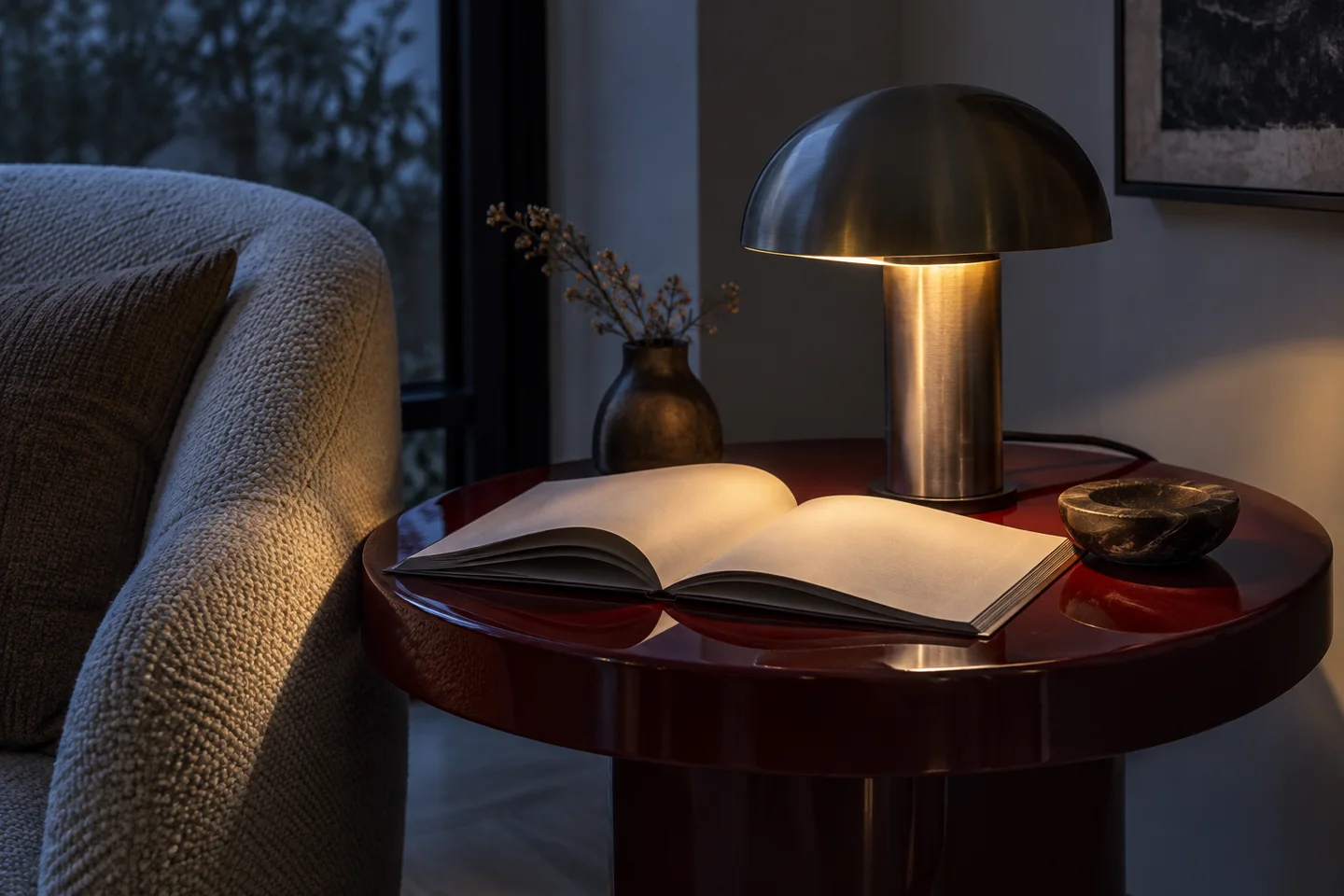
A small table lamp can make the entry inviting after dark when there is a suitable outlet and enough surface for its base and shade. Test the switch from the doorway and route the cord with the furniture. Compare the shade's width with the console depth, especially beside a busy walking route; the base is only part of its footprint.
Balance a taller shape with a low catchall and one modest bowl. A slender candleholder in an antique brass finish adds warm metal alongside pale stone bookends; we favor a single holder when the console is compact. Keep stems and decorative pieces out of the space where coats and bags pass. If existing lighting already does the job, a lamp is optional.
Give the space underneath a specific job
Use the lower shelf or floor beneath an open console only when it helps the routine. One basket for scarves or reusable bags can be useful; several anonymous baskets make it harder to remember where anything went. Check that each basket pulls out without meeting a console leg, and that its handles stay within the furniture footprint.
Finish by leaving and returning as you normally would. Set down a bag, retrieve keys, open storage and pass another person if the entry is shared. Move anything that gets in the way, even if it looked balanced in a photograph. Keep one clear patch of surface for the unexpected parcel or item you need to take tomorrow.