Decide whether the jobs overlap
Write down a typical weekday. Include laptop hours, video calls, meals, homework and guests. If one person works while another eats, a single tabletop may create more conflict than it saves space.
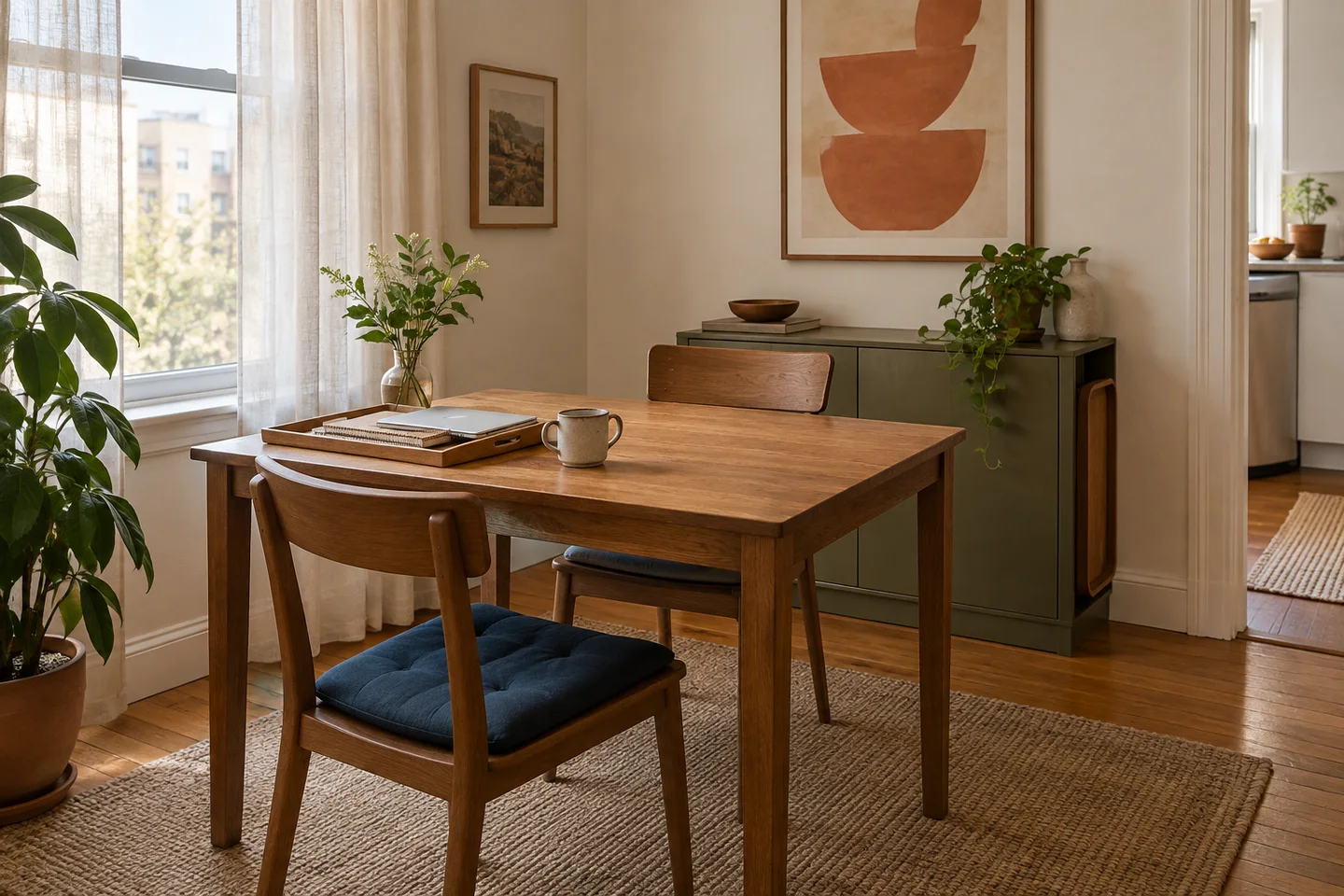
Choose a shared table when the activities can take turns and the setup can be packed away. Try a separate compact work surface when equipment stays in place or simultaneous use is common. A small room does not always need the smallest possible desk; it needs a workable arrangement.
Option A: make the dining table change roles
Keep a tray or nearby container for the laptop accessories and papers you use daily. Test whether the cleared table actually has room for the usual number of place settings. Store work items somewhere they will not need to move twice.
Try your chair, screen position and working posture before committing. A dining chair or table may be uncomfortable for long sessions. If the arrangement requires ongoing compromises, use it for short tasks and seek a more suitable workstation for regular desk work.
The Valenne shortlist
Help the table change jobs.
A tray moves the small things together. If work stays visible after dinner, a suitable curtain support offers a second option.
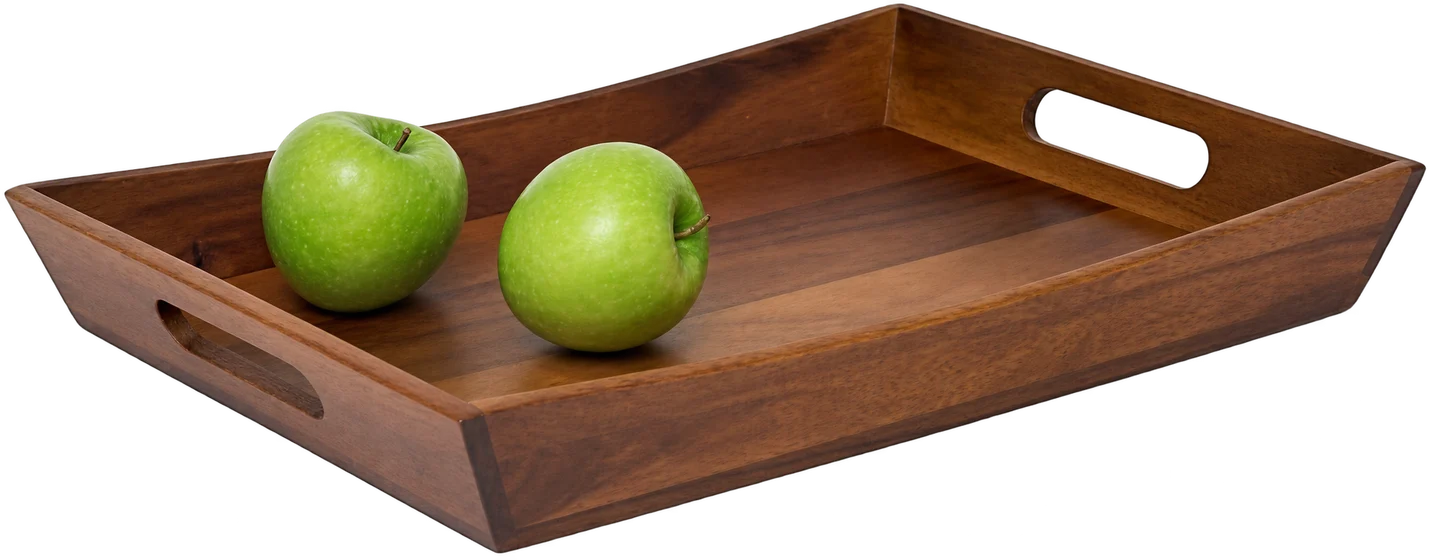
Tray; 19.88 x 14 x 2.5 inches
A handled wood tray keeps a group of small objects together and clears the table in one move.
Before you choose Measure its full 19.88 × 14 in footprint against the space you need for drinks or work.
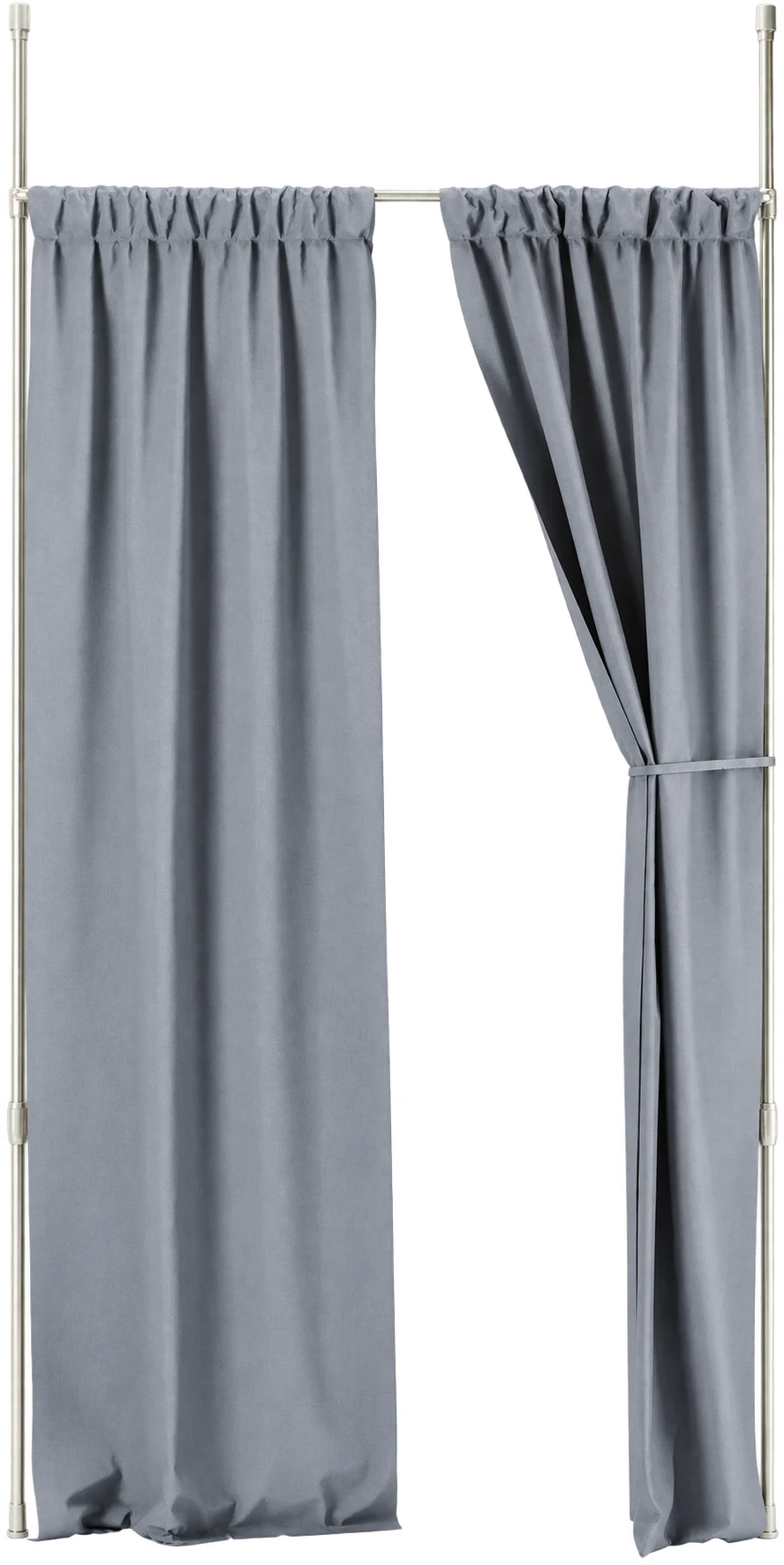
Nickel · expandable tension-mounted curtain support
A floor-to-ceiling curtain support can divide two uses of a room without a permanent partition.
Before you choose Check the height, span, ceiling suitability and curtain load. Curtains are a separate purchase; do not use it as a safety barrier.

25 ft · model 33-725
Measure furniture, door openings and the route a new piece must travel before placing an order.
Before you choose This listing uses imperial markings; choose a metric version if you work in centimetres.
Option B: give work a defined edge
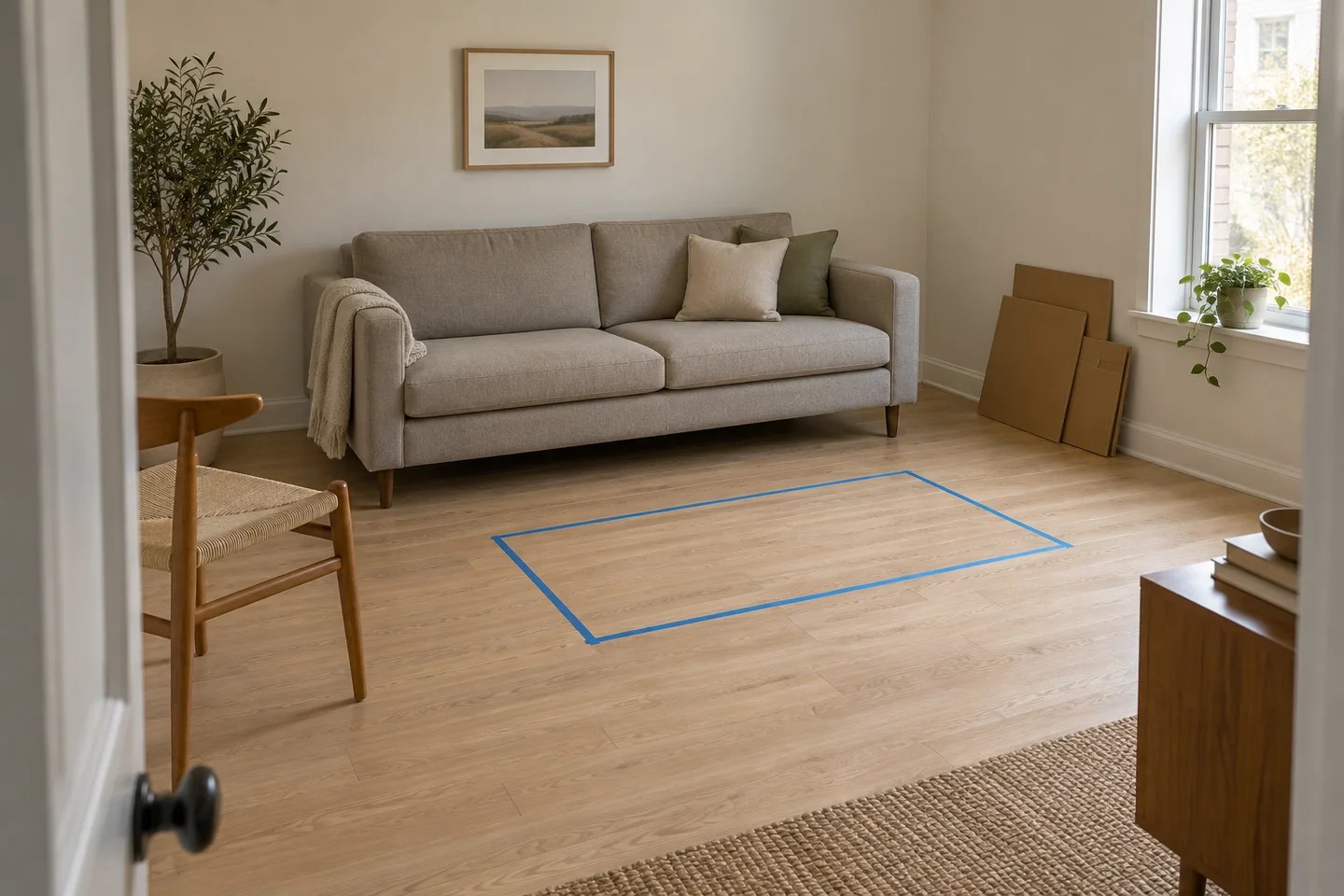
A separate surface along a wall can preserve the dining table for meals. Plan its depth around the equipment and how you use it, and model the chair pulled out. Avoid positioning the chair in the only through-route.
Check light and background during actual call hours. Reflections on a screen may change through the day. If privacy or quiet is essential, a second surface will not solve an acoustically shared room by itself.
Plan storage and power together
Put daily work supplies close enough to put away in one pass. Route cables according to the equipment guidance and away from feet and chair wheels. Check outlet access without relying on a cable stretched across the room.
For dining storage, keep the objects you use together close together. A shallow cabinet may be useful, but only if its doors and the table chairs can open independently.
Run a changeover rehearsal
Use your existing furniture to work for a session, reset for dinner, and then return to work. Time the reset as an observation for your own household, not as a target to beat. List every item left without a home.
Keep the arrangement only if both uses remain comfortable and the reset is realistic. We favor storage that lets the tabletop return to a clear, welcoming surface in one pass.