Measure to the center
Measure the outside height of the complete frame, including any mount. Half that height locates its center. The 145 cm mark refers to this midpoint; it is not the top of the frame or the position of the nail.
The poster shows the idea on an open wall. Start with a paper outline of your frame and view it from the doorway and the place you usually sit. If it feels awkward there, move the outline before making holes.
Calculate the support point
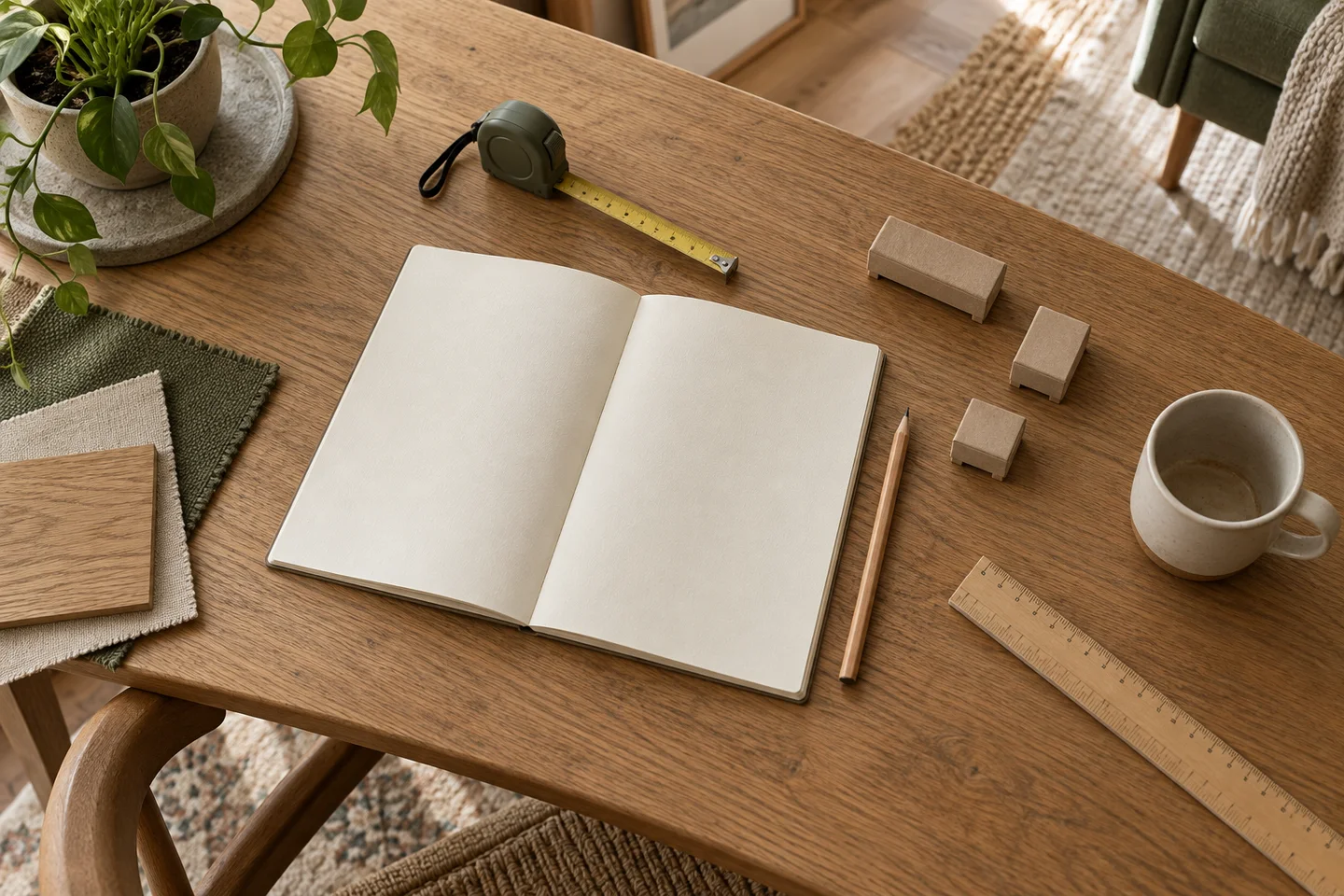
For a frame hung on a wire, pull the wire taut as it will sit on its support. Measure the drop from the top of the frame to that loaded wire position. Add half the frame height to your chosen center height, then subtract the drop.
For example: a 60 cm-tall frame, a 145 cm center and a 10 cm wire drop give 145 + 30 − 10 = 165 cm for the support point. The mounting hole can sit above or below that point depending on the hook, so follow the hardware’s diagram. Two-hook arrangements and other fittings need their own measurements.
The Valenne shortlist
A small picture-hanging kit.
Measure first, test the position with a paper template, then choose a fixing that suits the wall and frame.

25 ft · model 33-725
Measure furniture, door openings and the route a new piece must travel before placing an order.
Before you choose This listing uses imperial markings; choose a metric version if you work in centimetres.
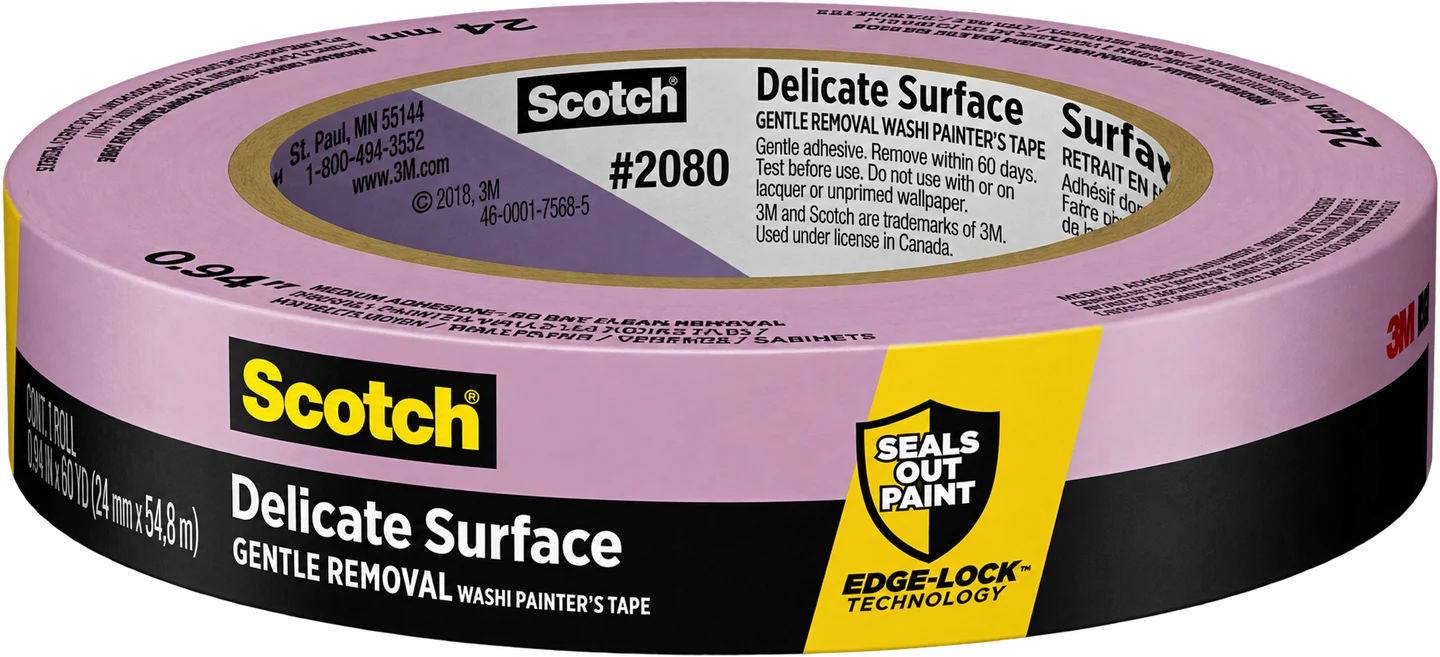
1 in wide · one roll
Mark a proposed furniture footprint or a paper artwork template before committing to the position.
Before you choose Patch-test first and follow the surface and removal instructions. Delicate-surface tape is not suitable for every finish.
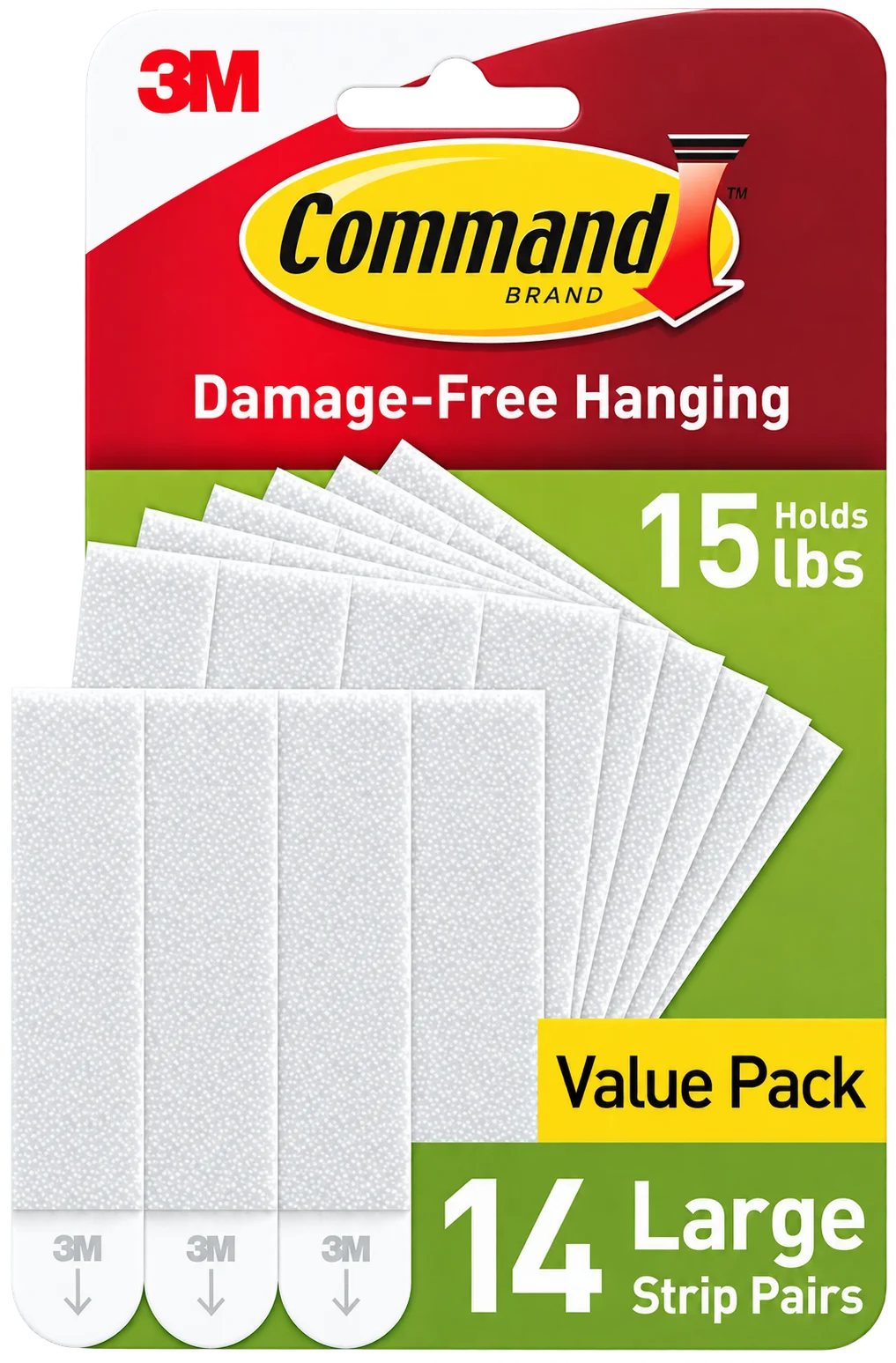
White · 14 pairs / 28 strips
An adhesive hanging option for compatible frames and suitable smooth indoor surfaces.
Before you choose Check frame size, total weight, strip count and surface instructions. Not for wallpaper, valuable irreplaceable art or hanging above a bed.
Above furniture, look at the whole arrangement
A picture above a sofa, console or headboard needs to relate to that piece. A fixed center height can leave an oversized gap or place the frame too close to the furniture. Compare the lower edge with what sits beneath it, and check for contact when the seat is in use.
For a group of pictures, lay out the whole arrangement first and consider its combined center. Do not force every individual frame onto the same line if that breaks the grouping.
Check the view before fixing it
Leave the paper outline up while you use the room. Check whether a lamp creates a reflection, an opening door reaches it or the art disappears behind a plant from your favorite seat. Mark the final support positions only after that check.
- Measure from the finished floor.
- Use the outer frame dimensions in your calculation.
- Choose fixings suited to the wall and the framed piece’s weight.